Look Out Kindergarten Here I SVG T-Shirt: A Practical Guide for Creators and Parents
Starting kindergarten is a monumental milestone, often celebrated with matching family outfits, custom backpacks, or spirited first-day-of-school photos. The Look out Kindergarten Here I SVG T-Shirt has become a popular choice for marking this occasion, featuring a cheerful cartoon pencil, apple, and paper airplane that captures the excitement of the big leap. However, while the design itself is vibrant and fun, the success of your final product depends entirely on how you handle the digital files and the application process. Many creators rush into printing without understanding the nuances of vector editing, leading to pixelated results or mismatched colors that ruin the intended message.
Understanding the File Format and Its True Value
When purchasing or downloading a design like the Look Out Kindergarten Here I Come SVG, it is crucial to distinguish between a raster image (like a standard JPG) and a scalable vector file (SVG or EPS). A common mistake beginners make is assuming all "high-quality" downloads are editable. If you receive only a JPG, you are limited to using that specific resolution and color palette. You cannot resize the text without losing quality, nor can you change the pencil from yellow to blue if your child's shirt is red.
The package described in this guide offers a comprehensive solution: 100% editable color-changeable files in both EPS and SVG formats. This distinction is vital for professionals and hobbyists alike. An EPS file ensures compatibility with older software versions, while an SVG file is the industry standard for modern cutting machines like Cricut and Silhouette. Without these vector layers, you lose the ability to manipulate individual elements—such as separating the apple from the text—which limits your creativity significantly.
The Critical Role of Resolution and Mockups
One overlooked detail when evaluating a digital download is the resolution of included PNG files. The specification of a 4500×5400 pixel PNG at 300 dpi is excellent for high-definition printing, but it serves a different purpose than the vector source files. Users often mistakenly try to cut a PNG directly from a machine, resulting in jagged edges and wasted material. Instead, use the high-resolution PNG strictly for mockups or direct print-on-demand services that require raster images.
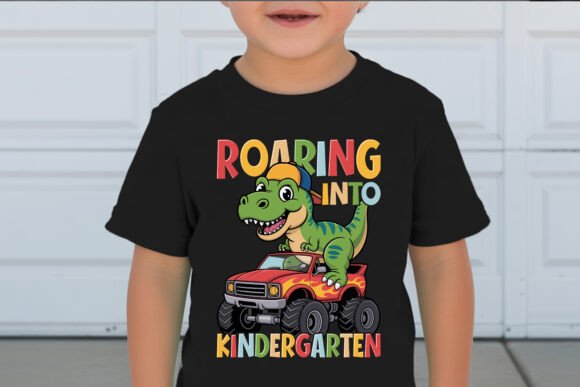
Before committing to a large batch of shirts, always verify the transparent background feature. A design with a white box around the graphics will look unprofessional on dark-colored fabric. Ensure the file includes true transparency so the graphic blends seamlessly with the garment. Additionally, review the provided high-quality mockup. While a mockup helps visualize the end result, remember that screen colors vary. What looks vibrant on your monitor might appear slightly muted on a cotton tee. Always order a single test print before producing a full run.
Avoiding Common Pitfalls in Design Application
Even with perfect files, errors can occur during the crafting phase. One frequent misunderstanding involves the complexity of layered designs. The Look out Kindergarten Here I SVG T-Shirt features multiple elements: typography, a pencil, an apple, and a paper airplane. When loading this into design software, ensure you ungroup the layers correctly. Beginners often leave elements grouped, making it impossible to move the paper airplane independently of the text. This oversight can lead to misalignment, where the slogan looks disjointed from the illustration.
Another significant error relates to color management. Just because a file is "color-changeable" does not mean every color will translate perfectly to physical ink. Digital screens use RGB (Red, Green, Blue) light, while printers and vinyl cutters often rely on CMYK (Cyan, Magenta, Yellow, Key/Black) or specific Pantone color libraries. If you select a neon green in your software expecting a bright print, you may be disappointed by the duller result on the actual material. It is best practice to consult the color chart of your specific printer or vinyl brand before finalizing your design choices.
Typography and Readability Considerations
The bold text and hand-lettered style of this design are its strongest assets, but they also present challenges. When scaling the design for a small item like a backpack patch versus a large t-shirt, the letter spacing must be adjusted. Text that is legible on a mockup might become cramped when resized too small, reducing the impact of the "Look Out Kindergarten Here I Come" message. Conversely, scaling it up too much without adjusting line height can make the design look sparse and unbalanced.
To avoid this, always preview your design at 100% scale within your cutting software before sending it to the machine. Check for any overlapping paths, which can cause the blade to cut through two layers simultaneously or skip sections entirely. Layered SVG files are designed to separate these elements, but if the download was corrupted or improperly saved, overlaps may persist. Inspecting the layers in your software interface is a necessary step that saves time and money.
Selecting the Right Material and Method
The visual appeal of the design is only half the battle; the substrate matters just as much. A distressed or vintage aesthetic often pairs well with heather gray or washed black fabrics, while the colorful, retro vibe of the pencil and apple pops best on bright primary colors. Using a dark shirt with a light-colored vinyl requires a weeding process that removes excess material. If the design has intricate details, such as the holes in the paper airplane or the stem of the apple, ensure your vinyl quality is high enough to hold those fine lines without tearing.
For educators or parents running a small business selling these shirts, consistency is key. Variations in heat press temperature or pressure can alter the finish of the vinyl. Some users assume that a "print-ready" file guarantees a professional result regardless of their equipment. This is a dangerous assumption. A low-cost heat press might not apply even pressure, leading to peeling edges after the first wash. Always calibrate your machine according to the manufacturer's guidelines for the specific type of vinyl or transfer paper you are using.
Maximizing Versatility for Different Projects
The versatility of this SVG package extends beyond just t-shirts. The same design can be adapted for iron-on transfers, sublimation blanks, laptop stickers, or classroom decorations. However, each medium requires a different approach. For sublimation, you must mirror the image horizontally before printing, whereas heat transfer vinyl should never be mirrored. Failing to account for this simple flip can result in backwards text, rendering the shirt useless.
Furthermore, consider the longevity of the design. A "funny SVG t-shirt" meant for a one-time event might be overkill compared to a classic vintage shirt design intended for daily wear. The durability of the print depends on proper curing and care instructions. Advise recipients to wash the garment inside out in cold water and tumble dry on low heat to preserve the integrity of the colorful graphics. This simple step prevents premature cracking or fading, ensuring the "big leap" into kindergarten is remembered fondly.
Final Checklist Before You Cut
To ensure satisfaction with your Look out Kindergarten Here I SVG T-Shirt project, take a moment to verify the following before starting production:
- File Integrity: Confirm that the SVG and EPS files open without errors and that all layers are visible and ungrouped.
- Color Accuracy: Match your screen colors to your physical materials, accounting for RGB vs. CMYK differences.
- Scaling: Check the dimensions of the text and graphics relative to the garment size to ensure readability.
- Mirror Settings: Double-check if your chosen method (vinyl vs. sublimation) requires mirroring the image.
- Material Compatibility: Ensure the vinyl or transfer paper is suitable for the fabric type (cotton, polyester, etc.).
By paying attention to these technical details and avoiding common pitfalls, you can transform a simple digital download into a cherished keepsake. Whether you are a seasoned entrepreneur building a brand or a parent crafting a unique outfit for your little learner, the right preparation ensures that the "Look Out Kindergarten Here I Come" spirit shines through clearly and professionally.