First Grade School T-Shirt Design: A Strategic Asset for Educational Branding and Creative Workflows
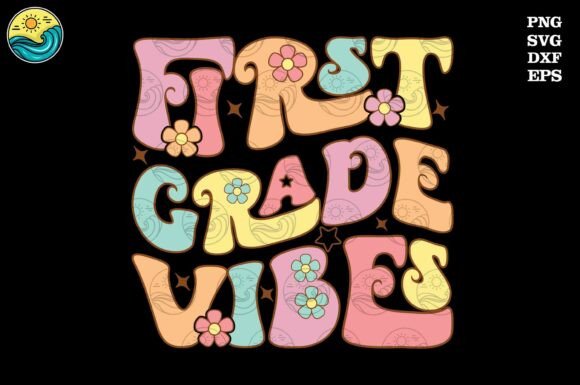
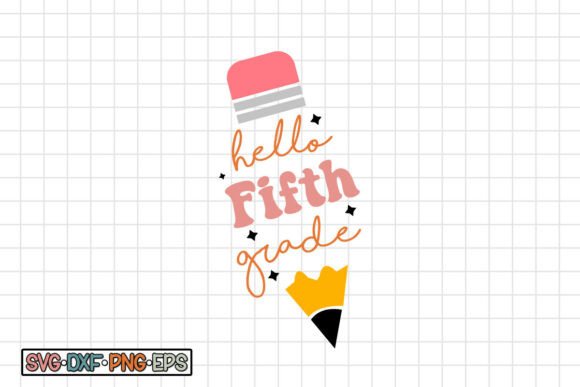
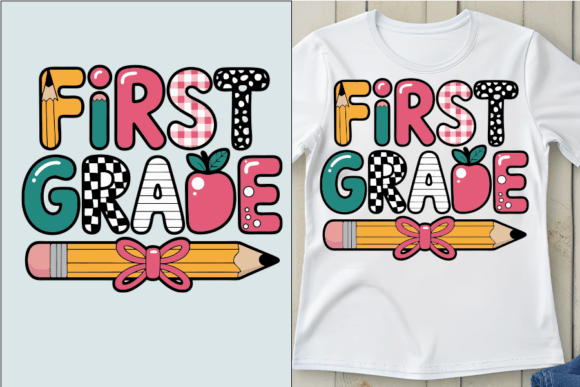
In the landscape of educational merchandise and creative production, a First Grade School T-Shirt Design serves as more than just a graphic; it is a functional asset that bridges the gap between classroom identity and commercial application. This specific design vector illustrates a playful yet professional aesthetic, characterized by a cheerful apple, pencil, and classic school-themed elements set against patterns like plaid and dots. For professionals ranging from small business owners to freelance designers, understanding the technical specifications and workflow integration of this asset is crucial for efficient project execution.
The transition from a conceptual idea to a physical product requires precise planning. When utilizing a First Grade School T-Shirt Design, the process begins with recognizing its versatility across various media. The illustration is presented on a white background in a transparent PNG format at 300DPI, ensuring high-resolution output for print applications. However, the true power of this asset lies in its inclusion of scalable vector formats: SVG, EPS, and AI files. These formats are the backbone of modern design workflows, allowing creators to manipulate the design without losing quality, regardless of the final output size.
Integrating Vector Assets into Production Workflows
For entrepreneurs and marketers launching back-to-school collections, the choice of file format dictates the efficiency of the production line. Unlike raster images which can become pixelated when scaled, the vector nature of the First Grade School T-Shirt Design allows for seamless adaptation. Before initiating any printing or cutting process, the designer must extract the contents of the provided ZIP file using a standard extractor. This simple step ensures that all necessary components—the primary illustration, typography, and pattern elements—are accessible and organized within the project directory.
Once extracted, the workflow typically involves importing the SVG or AI file into design software such as Adobe Illustrator, CorelDRAW, or specialized cutting machine software like Silhouette Studio or Cricut Design Space. This stage is critical for preparation. It allows the user to adjust colors to match brand guidelines, resize elements to fit specific garment dimensions, and layer the design correctly over fabric textures. The presence of the "First Grade" theme implies a target demographic of young children, necessitating a color palette that is vibrant yet safe for apparel. The plaid and dot patterns included in the design add visual interest without overwhelming the central imagery, making them ideal for sublimation printing where full-coverage designs are common.
Technical Compatibility and Format Selection
Selecting the correct file format depends heavily on the intended manufacturing method. For vinyl decal stickers and iron-on transfers, the SVG or EPS files are indispensable. These formats provide the clean paths required by plotter cutters, ensuring that the machine follows the exact contours of the apple, pencil, and text. If a user attempts to use a low-resolution PNG for a large-scale vinyl cut, the result will be jagged edges and poor adhesion. Conversely, for sublimation printing on mugs, pillows, or polyester fabrics, the 300DPI PNG file offers the necessary detail and color fidelity. Sublimation requires a direct transfer of dye into the material, and the high resolution of the PNG ensures that the gradients and fine lines of the typography remain crisp after the heat press process.
Designers working on clothing fabric printing often face challenges with file compatibility. The availability of the AI file provides maximum flexibility for those working within the Adobe ecosystem, while the EPS file serves as a universal standard for exchanging data between different software platforms. This interoperability reduces friction in collaborative environments where multiple stakeholders, such as graphic artists and print shop operators, need to access the same assets. By maintaining a standardized workflow based on these formats, teams can minimize errors and reduce the time spent on rework.
Strategic Use Cases Across Industries
The utility of a First Grade School T-Shirt Design extends far beyond simple apparel decoration. Its application spans diverse sectors, each requiring a tailored approach to implementation. Educators and school administrators often utilize these designs for uniform programs or class spirit days. In this context, consistency is key. The design's cohesive look ensures that every shirt produced looks identical, reinforcing a sense of unity among the students. When ordering bulk items, having access to the vector source files allows the school to make last-minute adjustments, such as adding a student's name or changing the year, without compromising the integrity of the original artwork.
For hobbyists and crafters involved in scrapbooking and home décor, the design offers a different set of opportunities. The transparent PNG is perfect for digital layout projects where the background needs to be removed entirely to blend with other elements. Whether creating personalized invitation cards for a first-grade graduation party or designing printable home décor items, the ability to isolate the apple and pencil motifs allows for creative composition. The vibrant color palette makes these elements pop against various paper textures and backgrounds, enhancing the overall visual appeal of the finished project.
Small business owners leveraging print-on-demand services benefit significantly from the comprehensive file delivery system. By having access to SVG, EPS, AI, and PNG files in a single package, they can upload the design to multiple platforms simultaneously. A single asset can be used to create a t-shirt listing on Etsy, a sticker pack on Redbubble, and a mug design on Amazon Merch. This multi-channel strategy maximizes the return on investment for the initial design purchase. The "First Grade" theme is evergreen, appearing annually during the back-to-school season, providing a reliable revenue stream for businesses that plan their inventory cycles around the academic calendar.
Optimizing Quality Control and Long-Term Usability
Maintaining high standards in production requires rigorous quality control measures. When working with a First Grade School T-Shirt Design, the creator must verify that the transparency is intact in the PNG files and that the vector paths are closed in the SVG files before sending them to print. Any gaps in the vector paths can lead to incomplete cuts in vinyl or missing sections in screen printing. Furthermore, checking the color mode is essential; converting RGB designs to CMYK is often necessary for professional printing to ensure color accuracy, whereas digital displays require RGB for optimal brightness.
Long-term usability is another factor that influences how this asset should be managed. Storing the original ZIP file in a secure, backed-up location ensures that the design remains available for future projects. As trends shift, the core elements of the design—such as the apple and pencil—can be repurposed for second-grade materials or adapted for kindergarten themes by adjusting the typography. This adaptability makes the asset a valuable component of a larger library of educational graphics. By organizing these files logically, creators can quickly retrieve and modify designs, saving valuable time during peak seasons.
Enhancing Creative Projects with Versatile Graphics
The integration of this design into a broader creative process fosters innovation. For instance, a marketer developing a campaign for a new school supply line can use the design as a central motif across social media posts, email newsletters, and packaging. The consistent visual language helps build brand recognition. Similarly, bloggers and publishers focusing on education can embed the image in articles about first-grade curriculum or parenting tips, providing readers with engaging visuals that complement the text. The inclusion of engraving cut machine compatibility further expands the possibilities, allowing for the creation of custom awards, certificates, and wooden decorations that align with the classroom theme.
Ultimately, the success of a project involving a First Grade School T-Shirt Design relies on the user's ability to navigate the technical requirements and apply the asset strategically. Whether the goal is to produce a high-volume order of t-shirts for a local school, create unique handmade gifts, or develop a digital marketing campaign, the quality of the source files determines the outcome. By treating the design as a flexible tool rather than a static image, professionals can streamline their workflows, ensure high-quality results, and deliver value to their audiences. The combination of practical functionality and charming aesthetics makes this vector illustration an essential resource for anyone involved in the education sector or creative industries.